Updated October 10, 2026. Arizona State University and eight other universities are facing federal scrutiny of their J-1 exchange visitor programs. In an October 9 announcement, the U.S. Department of Labor’s Office of Inspector General (DOL OIG) confirmed that subpoenas had been served and investigations were underway into alleged program misuse and misclassification.
For international researchers, the immediate question is practical: does this announcement change your ability to continue your research, travel, or extend your program? The answer requires a review of your own documents and any instructions from your designated J-1 sponsor.
Which universities are named?
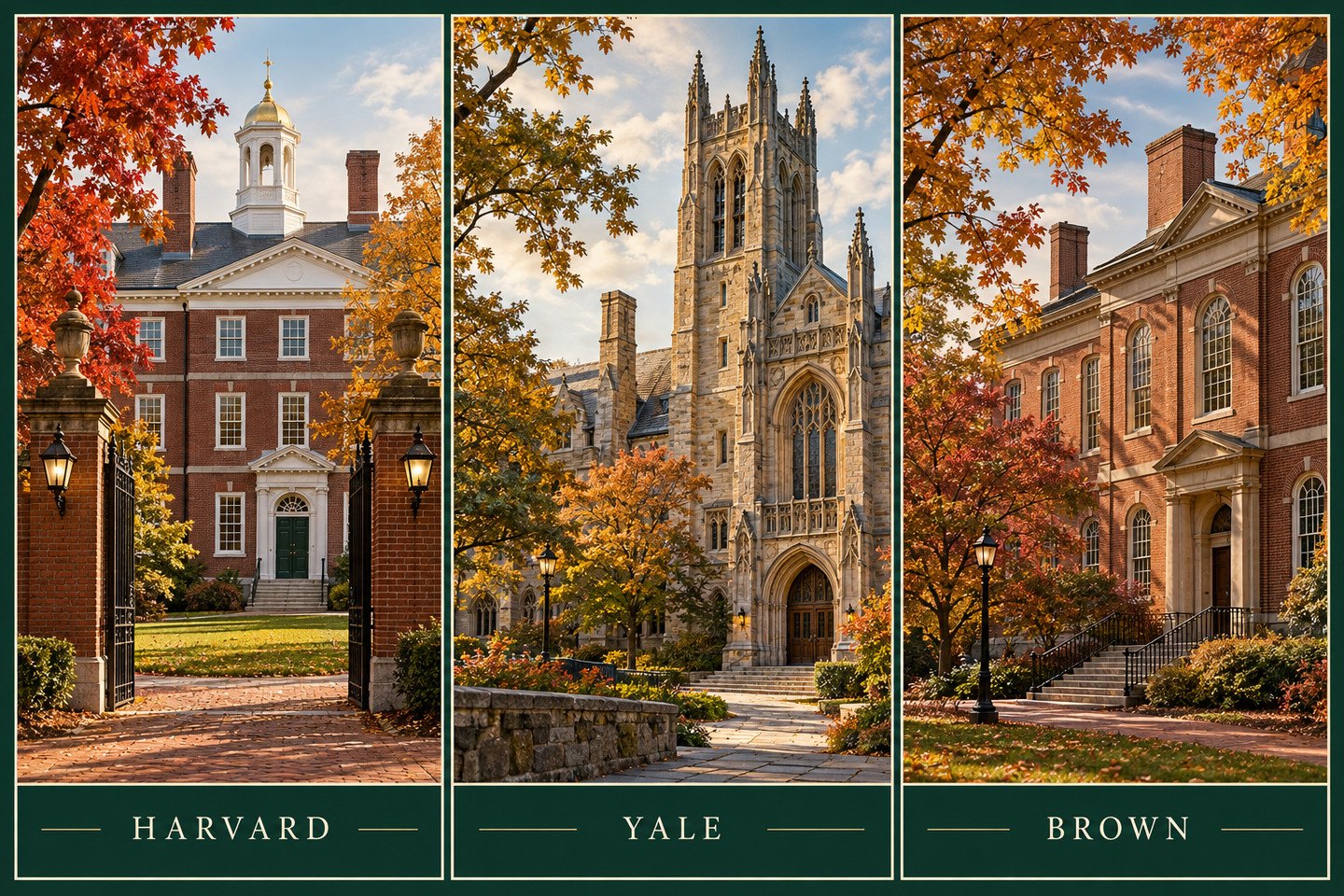
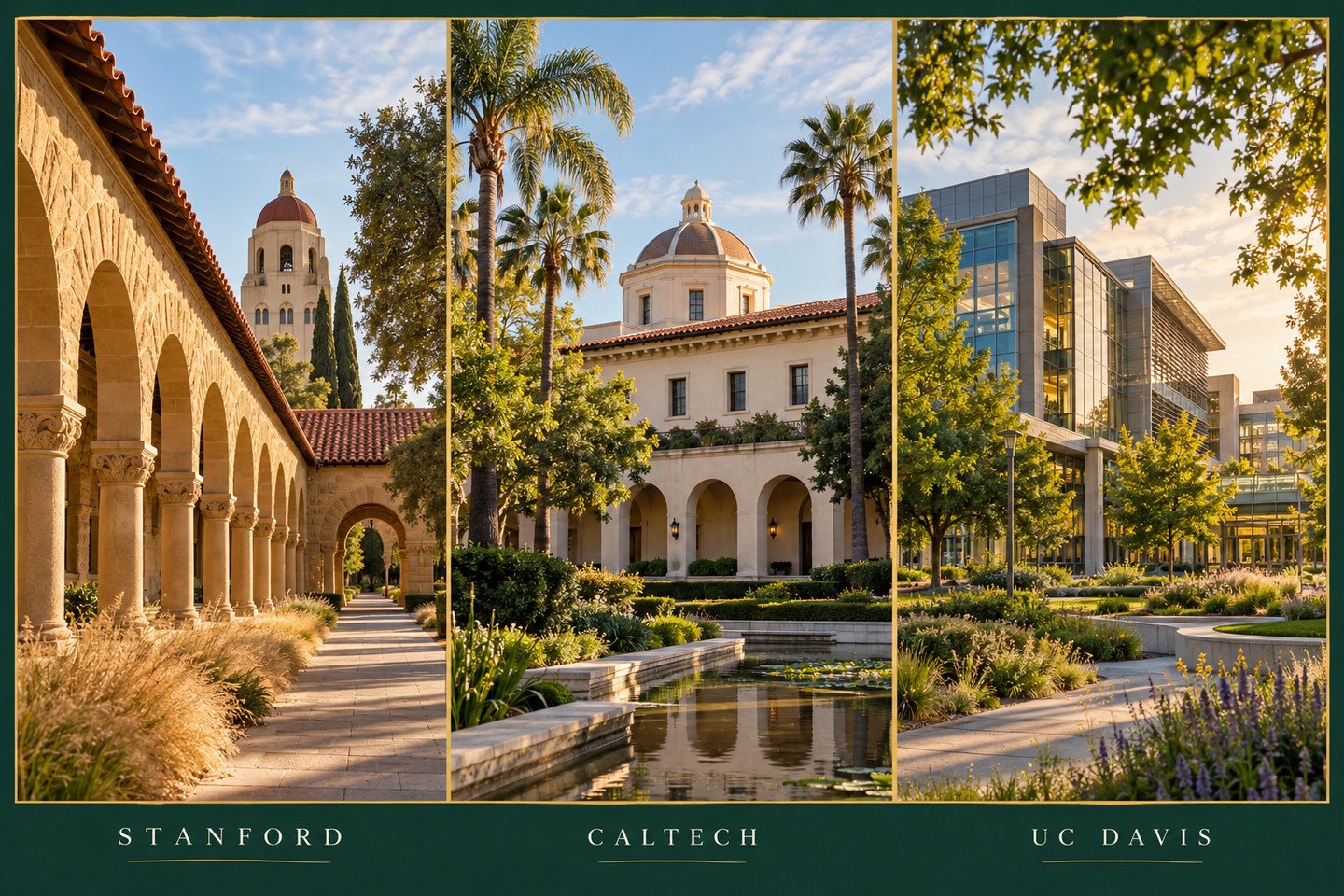
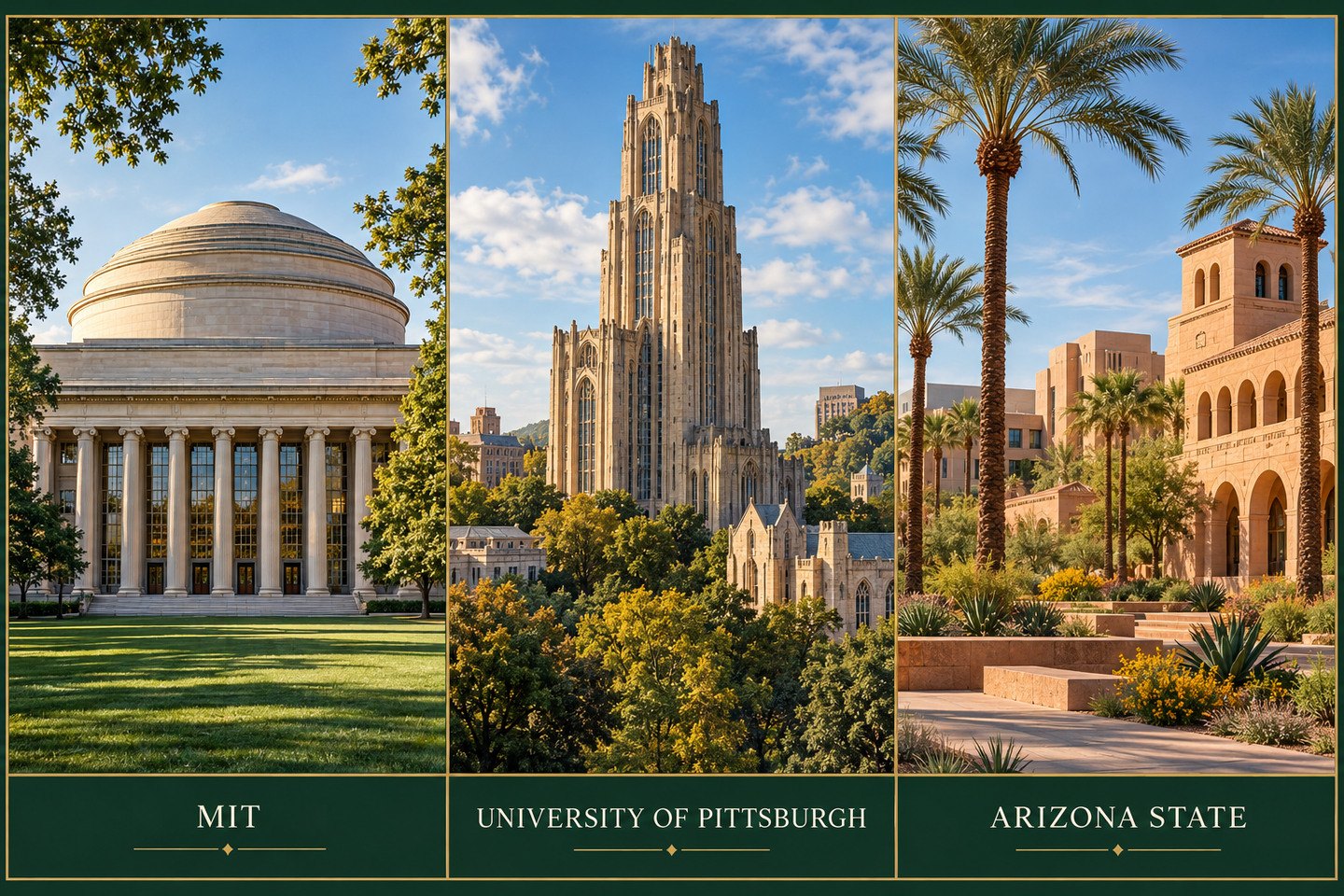
The DOL OIG announcement identifies these nine institutions:
- Arizona State University
- Brown University
- California Institute of Technology (Caltech)
- Harvard University
- Massachusetts Institute of Technology (MIT)
- Stanford University
- University of California, Davis
- University of Pittsburgh
- Yale University
What the government announcement actually says
The investigation concerns possible misuse of J-1 classifications at institutions receiving federal research funding. DOL OIG reports that foreign nationals account for approximately 61% of federally supported postdoctoral workers and researchers at the nine universities, compared with 38% at other universities. Those figures describe people—not the percentage of grants using J-1 visas—and do not establish that every foreign national holds J-1 status.
The release announces an investigation, not final findings against a university or an individual scholar. It does not announce a blanket cancellation of all J-1 visas at the named institutions. Our reading of that announcement is therefore limited: researchers should seek case-specific confirmation instead of assuming either that their status has ended or that their program cannot be affected by later action.
J-1 is an exchange program with specific categories
The Department of State’s exchange visitor guidance identifies several J-1 categories, including professors, research scholars, short-term scholars, and college or university students. J-1 should not be treated as a single student-only category or as unrestricted permission to take any university job.
For a research scholar, the program’s primary purpose is research, observation, or consultation at an eligible institution. The appointment is temporary. The sponsor is responsible for screening participants, monitoring the exchange, and supporting its educational and cultural purposes.
The scholar’s actual activities matter. Under 22 CFR 62.20, research activity ordinarily takes place at sites identified in SEVIS. Occasional lectures or consultations are subject to separate conditions and sponsor approval. An attractive title or a supervisor’s informal permission does not resolve whether a proposed assignment fits the authorized program.
What researchers should review now
The following is a practical document review, not a conclusion that anyone has violated a rule. Contact the sponsor’s Responsible Officer or Alternate Responsible Officer—the official who administers the exchange program—and organize these records:
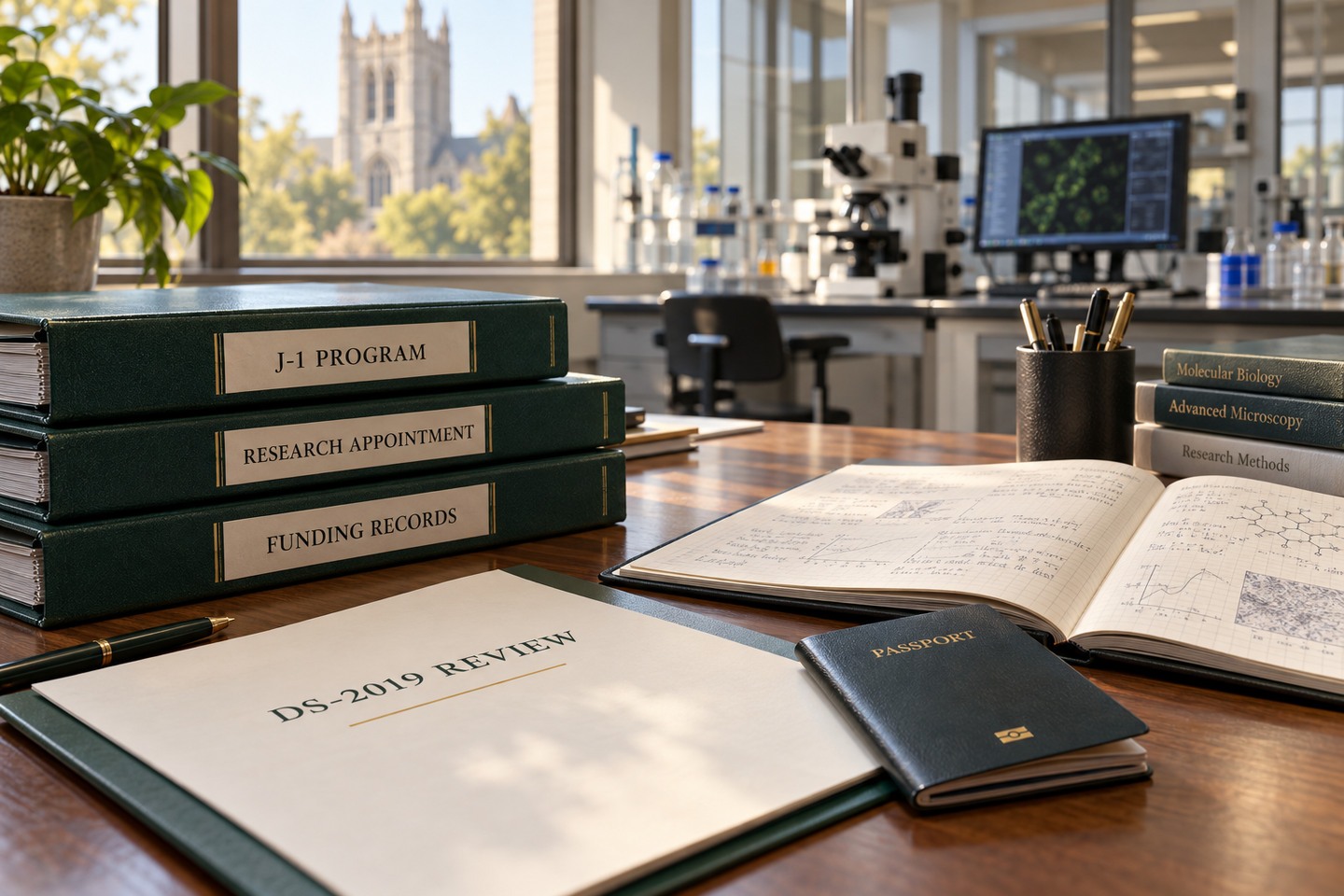
- Your program documents. Keep your current and previous Forms DS-2019, passport, visa, and most recent Form I-94 together. Ask the sponsor to confirm your category, program dates, and current SEVIS record.
- Your research appointment. Compare the offer or appointment letter with your actual duties, supervisor, department, and research location. Flag changes that have not yet been reviewed by the sponsor.
- Your funding and compensation. Gather grant, fellowship, stipend, and payroll records. Ask whether the sources and amounts accurately match the program records and the work being performed.
- Outside activities. Identify consulting, honoraria, side jobs, or work at another institution. Have the sponsor review whether the activity is permitted and whether written authorization was required before it began.
- Upcoming deadlines. List program and admission dates, planned travel, pending filings, insurance coverage, and relevant dates for J-2 family members. Bring any inconsistency to counsel promptly.
The Department of State warns that unauthorized employment can prevent reinstatement. If a record or activity appears inconsistent, obtain advice before changing documents or beginning additional work. Preserve the original records.
Transfers, extensions, and travel need separate review
A new university invitation does not automatically transfer an existing J-1 program. Under the Department of State’s transfer guidance, eligible transfers involve the current and receiving sponsors, generally remain within the same category, and do not restart the category’s maximum participation period. Not every category permits a transfer.
The same guidance allows a sponsor’s Responsible Officer to extend a program within the applicable limits and issue an updated DS-2019. However, the program document and your immigration admission record require separate attention. Ask counsel whether any immigration filing is needed in addition to the sponsor’s program update; do not assume an updated DS-2019 answers every question about authorized stay.
Before traveling, have your passport, visa, DS-2019, admission record, and any pending application reviewed. The Department of State explains that a visa allows a traveler to request admission; U.S. Customs and Border Protection makes the admission decision. A university’s invitation or employment letter does not guarantee reentry.
Do not overlook the two-year home-country requirement
Some J-1 exchange visitors are subject to the two-year home-country physical presence requirement under Immigration and Nationality Act section 212(e). Government funding can be relevant, along with other statutory grounds. Applicability must be assessed from the person’s own program and immigration history.
If the requirement applies, it can restrict access to certain immigration benefits unless it is satisfied or waived. A university investigation does not itself create an exemption. Researchers considering a different visa classification or permanent residence should review this issue early. The Department of State provides official information about the requirement and waiver process.
What sponsors and research departments can do
For institutions, a coordinated review can help identify discrepancies before they disrupt a scholar’s program. Immigration staff, human resources, grant administrators, and research leadership should compare appointment descriptions, funding records, actual activities, and sponsor authorizations. This is a practical response to the announced scrutiny, not a new government filing requirement created by this article.
Route subpoenas and agency requests to the institution’s designated legal team, preserve responsive records, and track the actual response deadlines. Scholars should not be asked to speculate about institution-wide compliance or to reconstruct records without guidance.
Cann Legal Group can help researchers and sponsors evaluate the documents, deadlines, and options that apply to their circumstances. A useful starting point is your current DS-2019 and I-94, appointment and funding records, and any written notice from the sponsor or a government agency.
This article provides general information as of October 10, 2026, and is not individual legal advice. The investigation and any later agency action should be checked before making immigration or employment decisions.
Official government references
- U.S. Department of Labor, Office of Inspector General — October 9, 2026 announcement of the university J-1 investigation.
- U.S. Department of State — Exchange Visitor Visa.
- U.S. Department of State, BridgeUSA — Research Scholar.
- eCFR — 22 CFR 62.20, Professors and Research Scholars.
- U.S. Department of State, BridgeUSA — Rules and Infractions.
- U.S. Department of State, BridgeUSA — Adjustments and Extensions.
- U.S. Department of State — Waiver of the Exchange Visitor Two-Year Home-Country Physical Presence Requirement.